 Get My ROI Estimate →
Energy Independence.
Any Location. Any Scale.
From remote islands to mining sites — EMoreShare Microgrid systems combine solar generation, LFP battery storage, and optional diesel backup to deliver reliable, cost-effective power completely off-grid or in island mode.
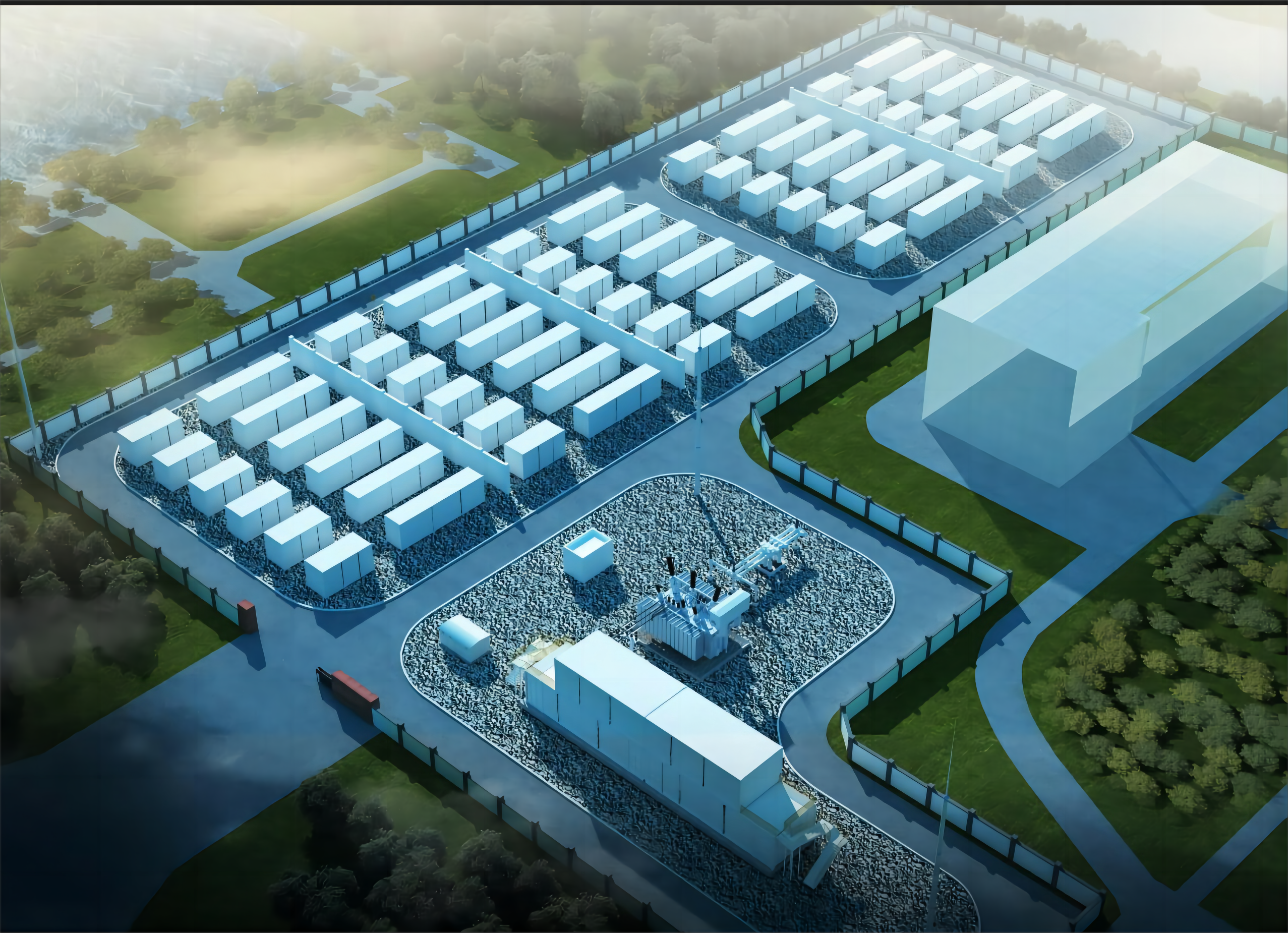
A Microgrid Is a Self-Contained Energy System
A microgrid is a local energy system capable of operating independently from the main grid — either permanently (off-grid) or temporarily (island mode during grid outages). It generates, stores, and manages power for a defined load within a specific geographic area.
Traditional Grid Dependency
- 100% reliant on grid availability
- No control over energy costs
- Vulnerable to grid outages — production stops
- Transmission/distribution losses add cost
- No energy security for critical operations
- Remote locations require expensive grid extension
EMoreShare Microgrid
- Fully island-capable — operates with or without grid
- Optimize dispatch based on fuel and electricity prices
- Seamless transition during grid outages, zero downtime
- No transmission losses — power generated where consumed
- Fuel savings of 40–80% vs diesel-only operation
- No grid extension required — deploy anywhere
How an EMoreShare Microgrid Works
A complete microgrid integrates multiple generation sources and storage, managed by our Energy Management System (EMS) for optimal dispatch under all conditions.
Solar PV
Primary generation — zero fuel cost
LFP Storage
Buffers intermittency, stores excess PV
Diesel / Gas Gen
Optional backup — hybrid configuration
EMS Controller
Real-time dispatch optimization
Load / Facility
24/7 power to your operations
🔄 Grid-Tied Microgrid
Normally connected to the grid but capable of islanding during outages. Excess generation can be exported. Used for campuses, industrial facilities, and community microgrids in areas with grid access.
🏝 Off-Grid / Remote Microgrid
Permanently islanded from the main grid. Ideal for islands, remote mines, telecommunications towers, research stations, and communities beyond grid reach. No grid dependency whatsoever.
☀ Solar + Storage Only
No diesel generator — 100% renewable when solar and storage are sufficient, with load shedding as fallback. Lowest operating cost when solar resource is strong year-round.
⛽ Solar + Storage + Diesel Hybrid
Primary generation from solar + storage, diesel as backup for extended low-solar periods. Diesel runs only when necessary — minimizing fuel consumption and O&M costs. Most common configuration.
The Case for Energy Independence
For the right applications, a microgrid is not a luxury — it is the most economical and reliable solution. Here are the value drivers that make the economics compelling.
Diesel Fuel Cost Savings
Every kWh generated from solar replaces diesel at €0.40–0.80/liter. At typical consumption rates, a 1MWp PV system saves €200,000–400,000/year in fuel alone.
Reduced O&M Costs
Diesel generators require regular fuel delivery, maintenance, and eventual replacement. Solar + storage dramatically reduces moving parts and recurring fuel logistics.
Grid Independence
For remote operations, grid unreliability is a production risk. A microgrid eliminates this — power is always available regardless of grid conditions.
ESG & Sustainability
Replace diesel generation with clean solar power. Significant carbon reduction for organizations with sustainability commitments or ESG reporting requirements.
Power Quality & Stability
Advanced EMS manages frequency and voltage stability. Grid-forming inverters ensure power quality compatible with sensitive industrial equipment.
Fuel Price Hedge
Solar generation has zero fuel cost — locking in energy costs against future diesel price volatility. Long-term power purchase agreements become predictable.
Right-Sized for Your Operation
EMoreShare microgrid systems scale from small telecom sites (20kW) to industrial-scale installations (10MW+). Every system is designed for its specific location, load profile, and operational requirements.
| Application Scale | PV Capacity | Storage | Typical Diesel Savings/yr |
|---|---|---|---|
| Telecom / Remote Tower | 20–50kWp | 50–200kWh LFP | €20–60k/yr |
| Small Community / Resort | 100–500kWp | 200kWh–1MWh LFP | €80–300k/yr |
| Industrial Facility | 500kWp–2MWp | 1–4MWh LFP | €300k–1M/yr |
| Mining / Large Industrial | 2–10MWp+ | 5–20MWh LFP | €1M–5M/yr |
* Estimates assume diesel fuel price €0.50–0.70/liter, 1,500–2,000 sun hours/year. Actual savings depend on load profile, solar resource, and diesel generator sizing. Full feasibility study provided with every project proposal.
What a Microgrid Project Looks Like Financially
Based on a typical 500kWp / 1MWh Solar + Storage + Diesel Hybrid system for a remote industrial facility. Diesel displacement is the primary value driver — every sun hour replaces expensive fuel.
Where Microgrids Make Sense
Microgrids are the right solution when grid power is unavailable, unreliable, or prohibitively expensive — or when energy independence is a strategic priority.
Island & Coastal
Resorts, island communities, coastal facilities. Diesel-dependent, high fuel costs, strong solar resource.
Mining
Open-pit and underground mining. Remote locations, high energy costs, 24/7 operations, ESG commitments.
Telecom Towers
Off-grid cellular towers. Small scale, high uptime requirements, remote locations.
Research Stations
Polar, desert, or remote scientific installations. Extreme conditions, green energy mandates.
Industrial Facilities
Manufacturing plants in remote industrial zones. High load, reliability-critical, cost-sensitive.
Community Microgrids
Villages and communities beyond grid reach. Social impact + economic development angle.
Critical Infrastructure
Hospitals, military bases, data centers. Zero tolerance for power interruption.
Agriculture
Off-grid farms, irrigation systems, agricultural processing. Remote locations, high energy demand for irrigation.
Microgrid Expertise for Challenging Environments
EMoreShare has delivered microgrid systems across Asia, the Middle East, Africa, and the Pacific. We understand the logistics, technical challenges, and operational requirements of remote power systems.
Remote Deployment Experience
We have delivered systems to islands, desert sites, high-altitude locations, and tropical environments. We know how to spec for corrosion, humidity, temperature extremes, and difficult logistics.
Complete System Supply
Everything from a single supplier — PV modules, LFP battery storage, hybrid inverters, diesel generators (optional), EMS controller, mounting structures, and switchgear.
Hybrid System Design
Optimal sizing of solar + storage + diesel for your specific load profile and solar resource. We use detailed modeling to right-size each component — no over-specification, no performance shortfalls.
Remote Monitoring & Control
Cloud-connected EMS provides real-time visibility and control from anywhere. Remote diagnostics reduce the need for on-site service visits — critical for remote installations.
Full Project Lifecycle Support
From feasibility study and system design to logistics coordination, installation supervision, commissioning, and ongoing technical support. We stay with you through the project lifecycle.
EPC & Developer Partnership
We work with project developers, EPC contractors, and mining operators — providing hardware, system design, and technical expertise without competing for construction margin.
This Microgrid Solution Is a Good Fit If You:
- Operate in areas with unreliable or expensive grid power
- Run remote facilities (mining, telecom, islands, research stations)
- Have high diesel fuel costs (€0.50+/liter)
- Face grid extension costs that make connection prohibitively expensive
- Have sustainability or ESG targets to reduce carbon footprint
- Need guaranteed uptime for critical operations (hospitals, data centers)
What Could a Microgrid
Do for Your Site?
Tell us about your facility or project — location, current power situation, load profile, and fuel costs. We'll provide a preliminary feasibility and ROI estimate within 48 hours.
Get My Project IRR Estimate →Confirm whether Microgrid System fits your site
A microgrid decision is strongest when resilience, energy independence, and operating continuity can be translated into a site-level ROI case.
Use this page to confirm what the system is, why it works, and where it is used; then move into ROI calculation for your actual facility.
Calculate ROI for Your Site